Walkable Wonders: Stretch Your Port-Day Dollars Steps from the Pier
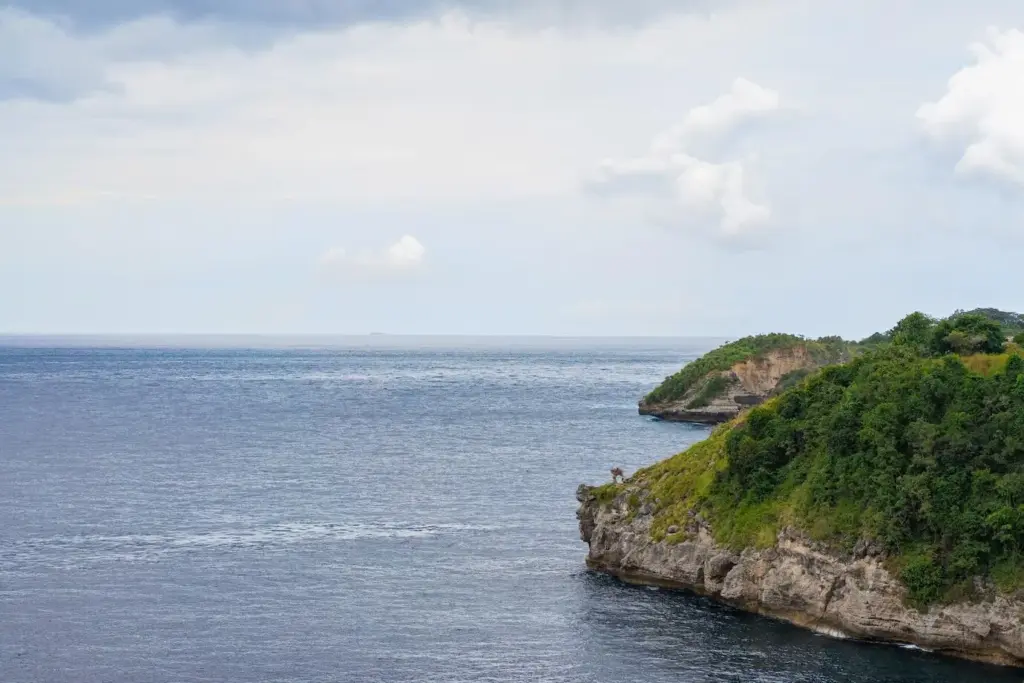
Today we dive into budget-friendly port day plans within walking distance of the pier, celebrating slow travel, spontaneous discoveries, and smart choices that keep your wallet happy. Expect practical maps-and-mindset tips, real examples from beloved ports, and easy alternatives that preserve time and energy. Share your favorite walkable finds in the comments, subscribe for fresh itineraries, and tell us what you’d like covered next, so we can keep tailoring ideas that fit your pace, preferences, and cruise calendar.

Plan Your Path Before You Dock

A little prep multiplies freedom once your feet hit the pier. Sketch a simple loop that starts and ends at the ship, pin essentials like restrooms, markets, viewpoints, and shade, then note when attractions open. Prioritize short activities first while crowds are light, save flexible options for later, and always include a backup café. With your route and return window defined, you can wander confidently while staying thrifty, unhurried, and safely within walking distance.

Free and Almost-Free Highlights Within a Short Stroll

Great experiences don’t have to cost much when you know where to look right near the pier. Harbors often hide historic plaques, small chapels, community art, and breezy promenades perfect for slow exploration. Choose attractions that reward curiosity: local fish markets, small parks, old walls, and free viewpoints. Together they form a low-stress loop that trades bus fares for fresh air, conversation, and overlapping memories of place, flavor, and gentle discovery.

Eat Well Nearby Without Overspending

Great food within walking distance rarely requires a big tab. Start with bakeries, street carts, and municipal markets where locals shop, then look for lunch specials posted on chalkboards. Share plates, ask about half portions, and embrace regional staples that travel well for picnics. By eating where foot traffic is local, you’ll avoid tourist markups and discover flavors worth remembering, all while keeping flexibility to pivot if lines or prices spike unexpectedly.

Micro-Adventures That Fit in an Hour and Your Budget

Beaches, Boardwalks, and Safe Swim Spots

Some ports offer swimmable coves or calm boardwalks a short walk from the gangway. Check posted conditions, bring compact towels, and protect your valuables with a dry bag or buddy system. Even without swimming, tide-pooling and shell-spotting can fill an hour beautifully. Boardwalks deliver breezes and views for free, plus musicians and snack carts. When you return, you’ll feel refreshed, sun-kissed, and grateful that simple nature-based breaks cost almost nothing.

Museums with Free Hours or Suggested Donations

Scan museum websites before arrival to find free entry windows or donation-based access. Many small galleries near the waterfront highlight maritime stories, indigenous art, or local crafts. If admission is required, decide quickly whether exhibits match your interests and time. Short visits can still be powerful when you engage staff, ask for a highlight piece, and linger there. A focused thirty-minute stop often beats rushing through rooms you cannot fully appreciate.

Forts, Lighthouses, and Piers with Modest Fees

Historic forts, lighthouses, and fishing piers typically charge small entry fees while offering grand views, breezes, and layered stories. Pay once and savor the setting: read posted histories, frame photos through old stone, and watch boats trace lines across the harbor. These spots feel substantial yet manageable, ideal for a compact schedule. When budgets are tight, one modest fee can anchor the day, surrounded by free walks and thoughtful pauses.

Souvenirs That Matter, Not Just Cost Less

Skip mass-produced trinkets and seek small, meaningful keepsakes that fit both carry-on space and budget. Choose items you’ll use often—spice blends, tea, artisanal soap, or a notebook from a local stationer. Pair each purchase with a moment: the vendor’s story, a street musician’s song, or a skyline you sketched. By anchoring objects to experiences, you transform every inexpensive item into a strong memory that outlasts fleeting impulse buys.

Postcards with Stories Attached

Buy postcards from independent stalls, write a few lines about a conversation or smell from the harbor, then mail one to yourself. When it arrives, the postmark and quick notes will revive the day’s cadence better than any souvenir magnet. Keep a tiny stash of stamps in your wallet, so spontaneity meets practicality. Over time, these mailed memories create a personal travel archive that is inexpensive, tactile, and deeply satisfying.

Edible and Useful Keepsakes

Go for compact, consumable treasures like local jam, chili flakes, or sea salt harvested nearby. Useful goods carry the place into your kitchen without clutter. Ask vendors about recipes and jot them inside the label. Later, when cooking, you’ll remember the breeze, laughter, and harbor views. This approach keeps spending intentional while celebrating daily life, turning your pantry into a gallery of experiences you can share with friends at home.

Photography Challenges for Priceless Memories

Set a simple photo challenge: capture three textures, three colors, and three repeated shapes within a fifteen-minute radius. This constraint heightens attention and pulls you off the main street without drifting far. Share results with your travel companions later, or post a collage inviting recommendations. The activity costs nothing, nurtures creativity, and gives your gallery coherence. When you review albums, the patterns will recall scents, voices, and glimmers of the water.

The One-Hour Return Buffer
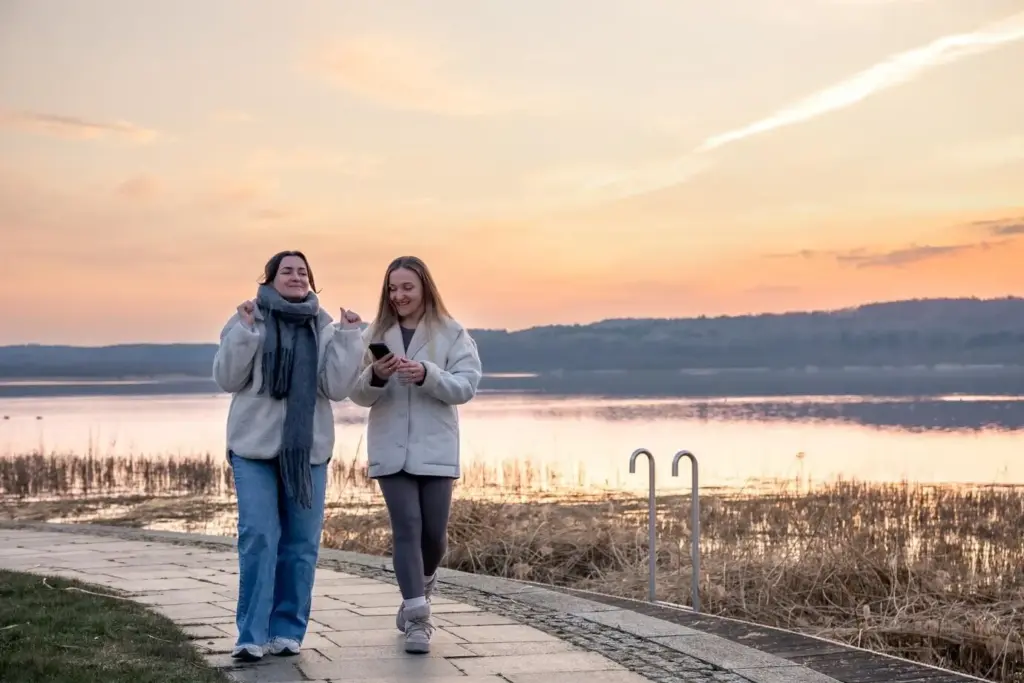
Promise yourself an early return and set alarms to enforce it. Aim to be back within sight of the ship one hour before all aboard, then meander the pier shops or promenade. This buffer absorbs wrong turns, lines, or sudden showers. You will feel freer to explore when time is on your side, and crew will appreciate your punctuality. Peace of mind is priceless, especially when every minute otherwise tempts last-second splurges.

Beat Heat, Rain, and Fatigue

Weather shapes spending and stamina. Start with the coolest stops, carry electrolytes, and rest in shaded squares. If rain threatens, prioritize covered markets, churches, or arcaded promenades. Rotate sitting and standing, especially after long sea days. Comfortable pacing reduces impulse cabs and pricey indoor escapes. With a light scarf or hat, you gain adaptable comfort across microclimates, making thoughtful preparation the quiet hero of an affordable, walk-forward port day.

Cash, Connectivity, and Contingencies

Carry small bills and coins for public restrooms, samples, or tiny entrance fees. Download offline maps and screen-capture critical info like opening hours. If cellular data is limited, pin free Wi‑Fi spots at cafés you plan to patronize. Share your loop with a travel companion, agreeing on meet-up points. With basic contingencies in place, you avoid panic purchases and keep the day light, nimble, and easily retraced within walking distance.

Sample Walkable Day Plans You Can Steal
Use these adaptable outlines as inspiration, adjusting times and stops to suit weather, interests, and ship schedules. Each plan assumes a short, comfortable walk from the pier, emphasizes small costs, and leaves room for serendipity. Swap cafés with markets as needed, choose viewpoints over lines, and keep a steady return buffer. Share tweaks that worked for you, and subscribe for future port profiles tuned to realistic walking distances and modest budgets.
Navalolelakovirexopemo
Privacy Overview

This website uses cookies so that we can provide you with the best user experience possible. Cookie information is stored in your browser and performs functions such as recognising you when you return to our website and helping our team to understand which sections of the website you find most interesting and useful.