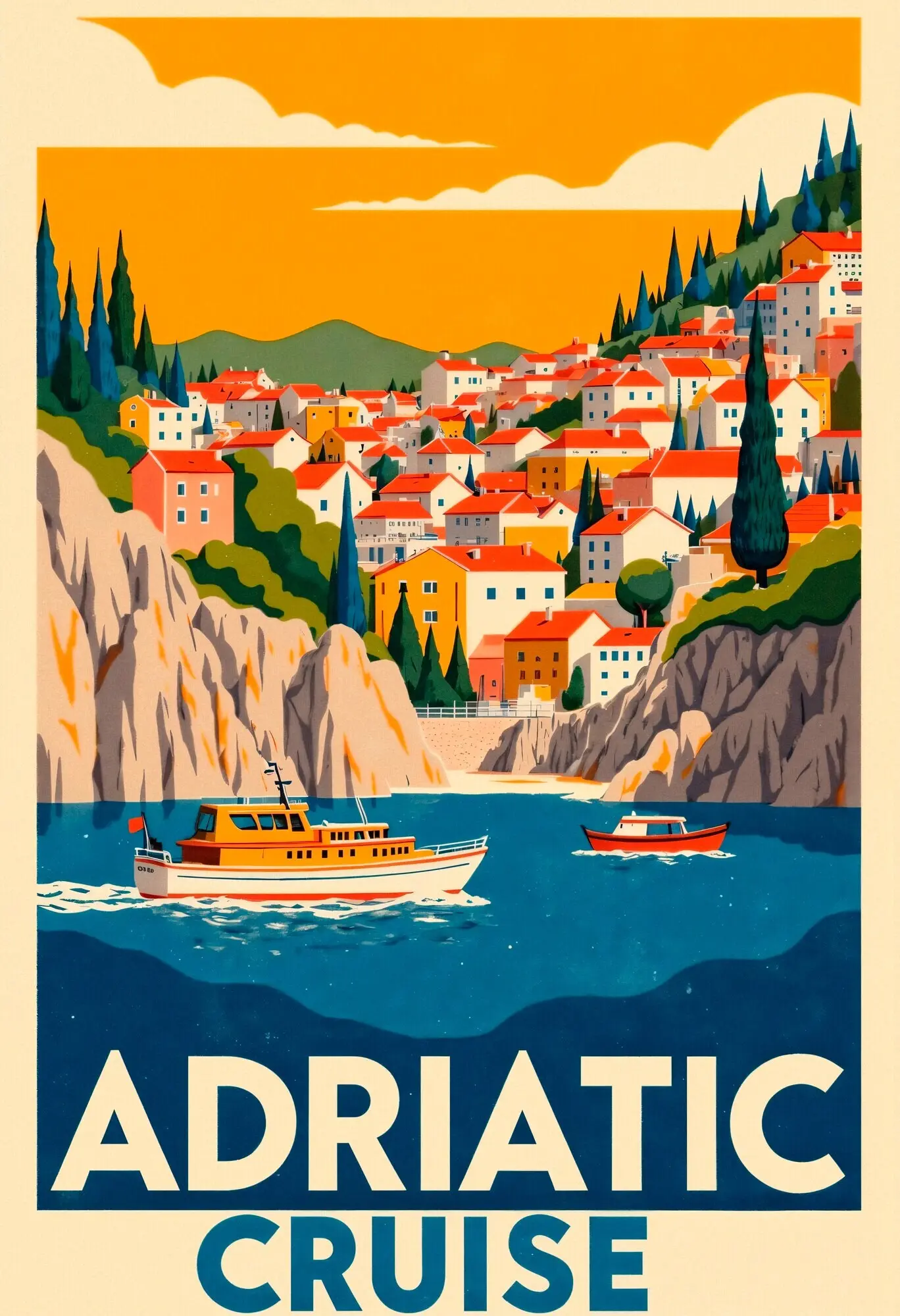
Set Your Own Course in Every Port

Self-guided port day adventures let you choose the pace, skip the crowds, and discover stories the shore excursions miss. Today we celebrate independence at the dock: planning smart routes, savoring local food, staying safe, and returning on time with memories that genuinely feel yours. Share your favorite discoveries, add tips for future travelers, and help this community craft flexible itineraries that fit real people, real budgets, and real moments of wonder.

Smart Planning Before You Dock

A brilliant port day begins well before the gangway drops. Check ship time versus local time, all-aboard deadlines, public holiday closures, and museum schedules that often shift midweek. Download offline maps, bookmark restroom locations, and note shaded routes for midday heat. Anchoring expectations early empowers spontaneity later without risking missed connections or rushed goodbyes to a place that deserves slower steps and attentive eyes.

Timing Your Day Around All-Aboard

Write the all-aboard time on a sticky note and tuck it near your phone. Set two alarms: one as a midpoint check, another to start returning. Ports can be deceptively compact yet time-consuming, especially when lines form at ferries or funiculars. Leaving a comfortable buffer transforms wandering into calm exploration, not a sequence of panicked clock checks and unnecessary shortcuts that skip the soul of a neighborhood.

Mapping Must-See Spots Without Losing Flexibility

Pin three anchor stops and several maybes, arranging them in a loop that ends near your return transport. Use layers on offline maps for cafés, lookouts, and transit hubs. Avoid rigid minute-by-minute plans; instead, make decisions at intersections based on energy, weather, and serendipity. This gentle structure guards against decision fatigue while leaving room for conversations, unexpected viewpoints, and the irresistible detour down a mural-filled alley.

Packing Light Yet Fully Prepared

Carry a compact daypack with sunscreen, a hat, reusable bottle, tissues, hand sanitizer, and a tiny first-aid kit. Slip in a photocopy of identification and the ship contact number. Bring small bills for transit or market tastings. A lightweight rain shell doubles as wind protection on coastal paths. Travel light enough to say yes to staircases, hilltop forts, and spontaneous viewpoints where heavy bags would have discouraged climbing.

Cracking Public Transit with Confidence

At kiosks, buy day passes rather than individual tickets to remove friction from spontaneous hops. Validate where required, and screenshot route numbers before losing signal underground. Sit near doors to watch neighborhoods change and note landmarks for your return. If announcements blur, count stops on your phone. Transit isn’t just logistics; it’s a moving viewfinder that positions you among commuters whose routines teach you tempo, etiquette, and small-city secrets.

Walking Routes That Reveal Real Life

Begin with a waterfront promenade for easy orientation, then angle into residential streets where laundry lines sketch colorful geometry. Seek stair streets, covered passages, and greenways that dodge traffic. Watch where locals pause: shade under jacarandas, bakery corners, park benches with maritime views. A slow, purposeful loop turns shoes into storytellers, etching distances into memory and letting aromas, conversations, and textures guide each choice more than any brochure could.

Rideshares, Taxis, and Negotiating Fares

When time tightens, a quick car ride protects your schedule. Confirm rates before departure, or use meter and receipt requests to prevent misunderstandings. Share your destination in writing if language is a barrier. Screenshot your route to follow along discreetly. Tip according to local custom, thank your driver warmly, and mark drop-off pins to retrace steps later. Strategic paid hops preserve energy for the places worth lingering longer.

Navigating Like a Local

Beyond glossy brochures lies the texture of everyday movement. Learn the rhythm of buses, pick tram lines that frame city stories, and let your feet translate sidewalks into insights. Ask a barista for a safer backstreet, trust your downloaded map but verify with a quick glance at stop boards, and choose routes that start scenic then practical. Local navigation reveals neighborhoods where conversations and small kindnesses outshine postcard angles.

Authentic Food and Markets

Eating well anchors memory. Prioritize spots that serve workers on their lunch break, not only visitors with cameras. Scan for short menus, seasonal boards, and a line that moves quickly. Markets reveal personality through produce and greetings. Learn a few phrases for ordering respectfully, ask vendors about their favorite stalls, and choose one indulgence that feels place-specific. Food becomes both fuel and friendship, turning an errand into a shared celebration.

Finding Street Food That Loves You Back

Follow sizzling sounds, clean setups, and steady turnover. Choose stalls where ingredients are assembled in front of you and sauces are added thoughtfully, not hidden under heavy blankets. Ask about spice levels with a smile. Carry a reusable napkin and small trash bag for responsible snacking. When a vendor beams at your first bite, you’ve discovered more than lunch; you’ve joined a tiny festival of craft, pride, and repetition.

Market Etiquette and Meaningful Purchases

Greet vendors before pointing at produce. Wait your turn, gesture gently, and let the seller select fruit unless invited to choose. Accept small samples graciously and reciprocate with curiosity. Buy one high-quality treat rather than several forgettable trinkets. Reusable bags reduce waste and spark appreciative nods. Ask origin stories, farming methods, or seasonal timing. These micro-conversations transform transactions into relationships that travel farther in memory than souvenirs ever could.

Cafés for Rest and Reflection

Choose cafés with windows that frame street life, not just landmark views. Order something simple and local, then write three notes about what you just experienced. Jot overheard phrases, sketch a storefront, or map a scent trail. This pause recalibrates your senses, prevents rushing, and often opens new options as you notice fresh details passing by. Rest equals range; reflection adds depth without adding a single extra hour to your itinerary.

Safety, Respect, and Cultural Smarts

Confidence grows when you blend awareness with empathy. Learn basic greetings, modest dress norms, and tipping expectations. Keep valuables distributed, wear your backpack in front on crowded trams, and photograph key documents. Avoid empty shortcuts after dusk, and trust your instincts early. Respectful curiosity slows you down long enough to notice context, which is exactly where deeper safety lives. Courtesy and preparation are the quiet superpowers of independent exploration.

Staying Alert Without Staying Afraid

Adopt a relaxed readiness: shoulders down, eyes attentive, steps purposeful. Check your surroundings when you pause to read a plaque or consult a map. If something feels off, pivot casually to brighter streets or busier cafés. Keep headphones low or off while moving. Micro-choices compound into macro-safety, and calm body language often deters opportunists. Presence is protective, and curiosity flourishes when fear doesn’t pilot every decision.

Dress, Customs, and Friendly First Impressions

Pack a light scarf or compressible layer to adapt to religious sites with modesty rules. Observe how locals greet each other and mirror the tone. Small courtesies—doors held, queues respected, tables bussed—translate across languages. When unsure, ask politely rather than assume. These signals open doors, unlock smiles, and turn quick exchanges into guidance. Goodwill often returns as directions, recommendations, or extra care when the weather shifts or schedules complicate.

Money, Scams, and Backup Plans

Carry small bills for exact change and faster exits. Decline dynamic currency conversion at card machines to avoid inflated rates. If approached aggressively with petitions or trinkets, step aside and answer firmly yet kindly. Keep emergency cash separate from daily spending. Record embassy contacts and the ship’s emergency number offline. A simple fallback plan—nearest police station, familiar café, or transit hub—reduces stress and restores calm decision-making quickly.

Mini-Adventures for Every Traveler

Family-Friendly Explorations with Built-In Wiggle Room

Anchor the day around a playground, interactive museum, or beach with shade. Promise a treat after the longest walk. Use color-coded pins for bathrooms, ice cream, and transit. Pack collapsible cups and a deck of tiny games for delays. Celebrate small wins—crosswalk bravery, new words learned, shells found. Family adventures flourish when expectations shrink and wonder grows, especially where splashing, climbing, and giggling fit naturally into the city’s rhythm.

Solo Wanderer Confidence and Connection

Choose daylight-heavy routes, sit at café counters, and ask open questions that invite stories. Share your itinerary with someone onboard and check in mid-afternoon. Trust places where your curiosity feels welcomed. Join short free museum tours for context and friendly faces. Solo travel shines when you balance independence with micro-communities: baristas, docents, and fellow map-checkers who turn a quiet day into a chorus of brief, meaningful human moments.

Accessibility and Mobility Savvy

Pre-check curb cuts, elevator availability at stations, and gradients on key streets using satellite view and street-level imagery. Identify accessible restrooms and quiet rest stops. Choose venues with clear signage and staff accustomed to assisting thoughtfully. Build longer buffers and embrace resilient pacing. Accessibility planning upgrades everyone’s experience by smoothing friction points before they appear, allowing attention to focus on art, sea air, friendly greetings, and the feeling of genuine arrival.

Capture, Share, and Remember
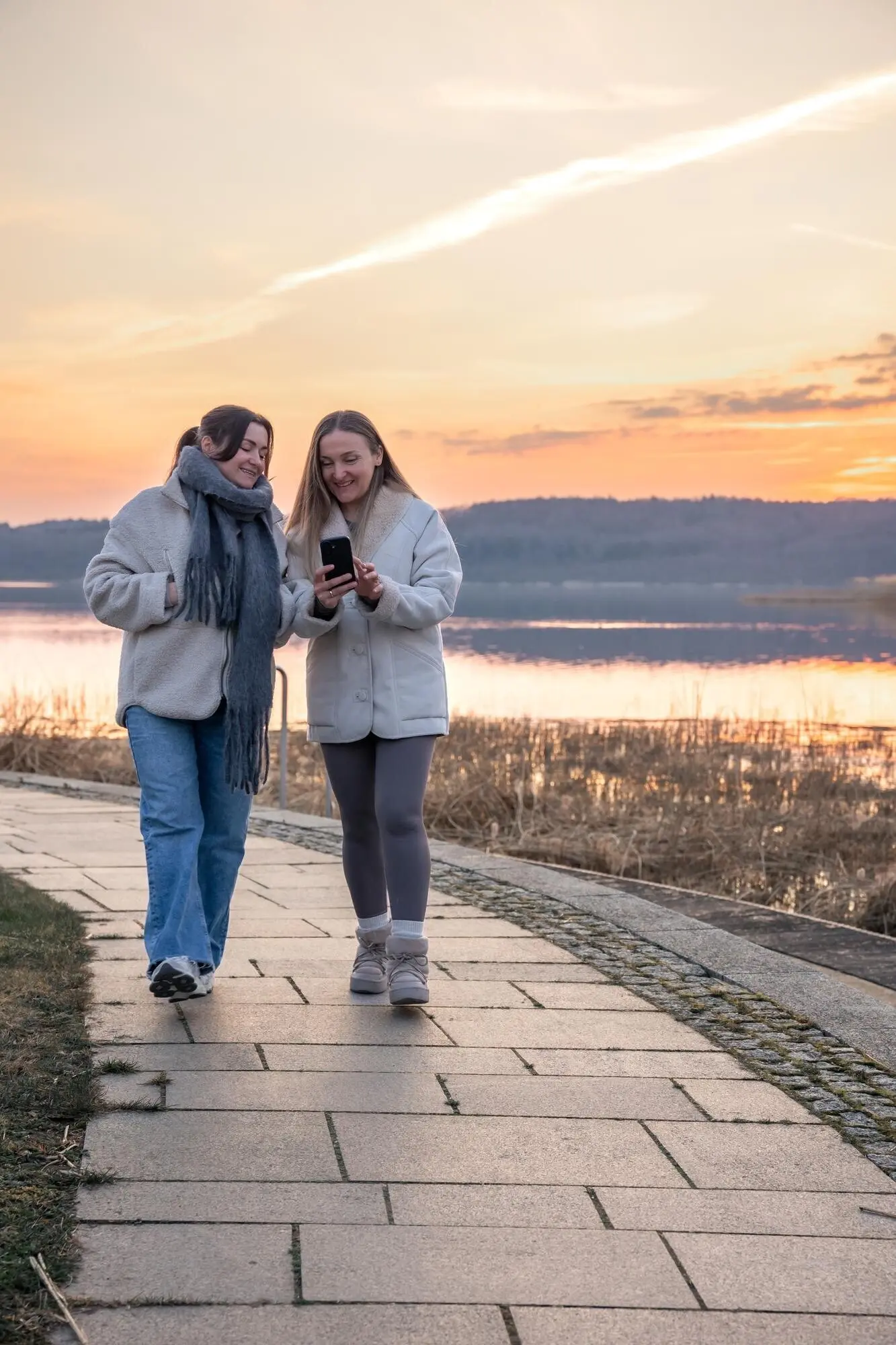
When a day ends, memory begins its editing. Guide that process with intention. Curate a handful of photographs that show context, not just close-ups. Jot smells, overheard jokes, and the shape of the wind on the pier. Share short reflections with fellow travelers, ask for their hidden stops, and subscribe for upcoming self-guided routes others can adapt and refine together. Community multiplies insight and keeps discoveries traveling further than your footprints.
Navalolelakovirexopemo
Privacy Overview

This website uses cookies so that we can provide you with the best user experience possible. Cookie information is stored in your browser and performs functions such as recognising you when you return to our website and helping our team to understand which sections of the website you find most interesting and useful.